Film Production
Development:
The process of finding a story.
Ideas for films come from a variety of sources; they can range from novels,
real life events to computer game adaptions. Once you’ve got an idea you’ll
need someone to write a pitch for you which you take to a film producer in an
attempt to get some funding to make your film. Even at this very early stage
you need a very clear idea of who you’re aiming your film at so you can include
elements that will appeal to them.
Pre-production:
Once you’ve got funding you
establish your budget and can begin to get a film crew together, you can
storyboard the script. You also need to break the script down into individual
scenes and identify all the locations, props, cast members, costumes, special
effects and visual effects needed.
Production:
The process of ‘making’ the film.
Provided you’ve done your job properly in the pre-production stage making the
film should be straight forward. ‘Film’ is very expensive and difficult to
store so an increasing number of film makers are using digital cameras to save
money.
Post-production:
During this stage you take all
the ‘film’ you’ve shot and give it to a film editor. They will then begin
putting it together. Special effects will be added, a soundtrack will be added,
any missing dialogue will be re-recorded and added resulting in a ‘rough cut’.
This will be shown to the director and a test audience who will offer feedback.
Often this causes scenes to be filmed and added or removed.
Writer:
To take either a
pre-written story, or even a native story idea, and translate it into an
effective screenplay is the primary role of a Screenwriter in the Film
industry. Having said that,there is much more to this process than meets the
eye. It is not as straightforward as writing a normal story, for the simple
reason that the communication is audio-visual, and not literary.
There are some
very important aspects that need to be carefully observed. Some of these
aspects may be generic to good story-writing such as character development,
believable characters, story and engaging plot points, regardless of the
story-telling medium.
Producer:
Producers have overall control on every aspect of a film's
production. They bring together and approve the whole production team. Their
key responsibility is to create an environment where the talents of the cast
and crew can flourish. Producers are accountable for the success of the
finished film. They steer the film from beginning to completion and beyond. The Producer
is often the first person to get involved in a project. Or they may be the
agent-style Producer who focuses on the deal. The many responsibilities of the
Producer span all four phases of production. In the Development stage,
Producers are often responsible for coming up with the idea for a production,
or selecting a screenplay. Producers secure the rights, choose the screenwriter
and story editing team. They raise the development financing and supervise the
development process.
Casting
director:
Director:
Directors are responsible for
creatively translating the film's written script into actual images and sounds
on the screen. They are ultimately responsible for a film's artistic and
commercial success or failure.Directors may write the film's script or commission
it to be written, or they may be hired after an early draft of the script is
complete. They must then develop a vision for the finished film and work out
how to achieve it.During pre-production, Directors make crucial decisions, such
as selecting the right cast, crew and locations for the film. They then direct
rehearsals and the performances of the actors once the film is in production. They also manage the technical aspects
of filming including the camera, sound, lighting, design and special effects
departments.
Film
finance:
There are two types of Financial Controllers:
1. A large production company, studio or broadcaster
may employ a Production Accountant or qualified Accountant as a Financial
Controller, to manage the finances of all of the company's activities,
including those of individual productions.
2. On larger productions, a freelance Senior
Production Accountant may work as a Financial Controller to oversee the work of
the Production Accountant and Accounts team.
The role of a Financial Controller is very
challenging. They are responsible for controlling the accounting, taxation and
financial analysis for all of the work a company does, including development,
production and distribution.
Camera
operator:
Camera Operators carry out the Director of Photography’s (DoP)
and Director’s instructions for shot composition and
development. They are usually the first people to use the camera's eyepiece to
assess how all the elements of performance, art direction, lighting,
composition and camera movement come together to create the cinematic
experience.
Camera Operators usually start at the end of
pre-production and attend technical recces with other Heads of Department. They
work closely with the Director of Photography, Director and Grip, and are
responsible for the First Assistant Camera (1st AC), Second Assistant Camera
(2nd AC) and the Camera Trainee.


Production designer:
Production
Designers are major heads of department on film crews, and are responsible for
the entire art department. They help Directors to define and achieve the look
and feel of a film. Filming
locations may range from a Victorian parlour, to a late-night café, to the
interior of an alien space ship. The look of a set or location is vital in
drawing the audience into the story and making a film convincing. A great deal
of work and imagination goes into constructing the backdrop to any story and
choosing or building locations and/or sets. Production
Designers begin work at the very early stages of pre-production. They may be
asked to look at scripts to provide spending estimates before a Director is
even approached. On first reading a screenplay, they assess the visual
qualities that will help to create atmosphere and bring the story to life.

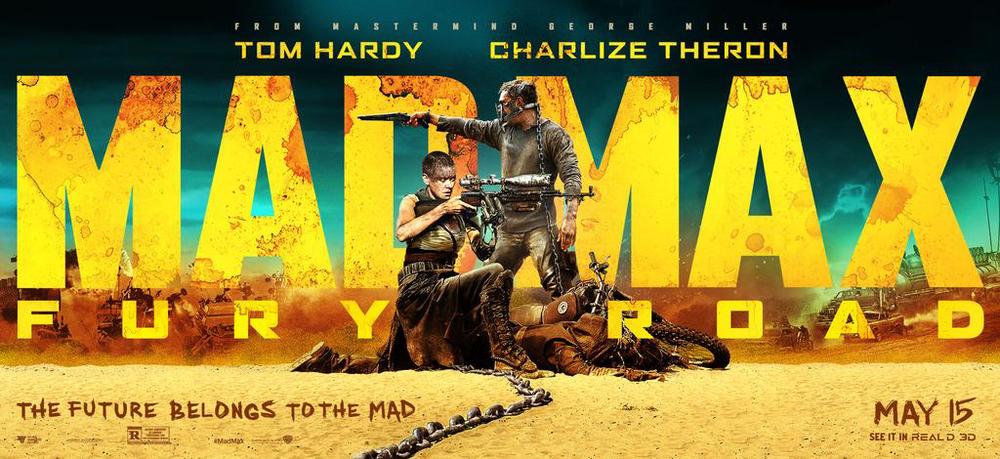
Marketing:
Marketing and Publicity Manager- The Marketing and Publicity Managers' main responsibility is to convince
the public that this is a 'must-see' movie. Once Distributors have
identified the target audiences and potential revenue, the marketing campaign
should reach target audiences before and during film releases.
Marketing assistant-
Marketing Assistants are involved in the development and implementation
of marketing projects and schemes related to film releases. They report to
the Head of Marketing, or to the Marketing and Publicity Manager, and assist in
creating and planning various on-going campaigns. Marketing Assistants
often coordinate market research projects, and use the data to help assess
current the effectiveness of campaigns and to help with future marketing
schemes.
Marketing manager:
As a marketing manager you would plan the direction of all
marketing activity on a campaign. You would use your creativity and expertise
to think of new ways of delivering your message to the customer. You could be
in charge of a number of campaigns and manage and motivate people in the
marketing team to make sure that each campaign is successful.
Exhibition:
An event at which objects such as paintings are shown to the public, a situation in which someone shows a particular skill or quality to the public, or the act of showing these things: The photographs will be on exhibition until the end of the month. There's a new exhibition of sculpture on at the city gallery. The athlete's third,
and winning, jump was an exhibition of skill and strength.